calorie

The Role of Nutrition in Crafting a Sustainable Health Plan

When people think about health plans, they often picture exercise routines, medical checkups, or wellness goals. While these are important, nutrition forms the base of a truly sustainable plan. According to this realistic approach to lasting wellness, food is more than just fuel; it influences energy, mood, immunity, and long-term health outcomes.  Health Enthusiasts must recognize that without a strong nutritional foundation, other aspects of wellness can quickly fall out of balance.

Why Food Choices Matter Daily

food choice

Every meal shapes how the body functions throughout the day. A balanced breakfast stabilizes energy, while skipping it may lead to fatigue or cravings. Choosing nutrient-dense foods provides lasting benefits compared to quick, processed options. Nutrition is not about strict dieting. Instead, it is about making consistent, thoughtful choices that support the body’s needs. These daily decisions determine whether health goals feel attainable or overwhelming.

Personalization and Flexibility

No two people share the same needs. Lifestyle, age, and health conditions all influence what works best. This makes personalization essential when crafting a sustainable health plan. Some thrive on plant-based meals, while others may require more protein from animal sources. Flexibility allows individuals to adjust without guilt. A plan that is too rigid will rarely last. One that adapts to circumstances can remain steady over time.

Unique Role of Macronutrients

nutrients

Carbohydrates, proteins, and fats each serve a distinct purpose. Carbohydrates supply energy for movement and brain function. Proteins repair muscles and tissues. Fats support hormones and provide essential fatty acids. Ignoring one category often creates imbalances. A health plan should integrate all three in the right proportions. This unique balance strengthens the body while reducing risks of deficiencies or excesses.

Micronutrients and Long-Term Wellness

Beyond macronutrients, vitamins and minerals guide countless functions. Calcium and vitamin D help maintain bone strength. Iron supports oxygen transport. B vitamins aid metabolism and energy production. These smaller details might seem less urgent, but they play an immense role in sustaining health. Without them, even the most carefully planned routine can falter. Ensuring a variety of colorful, whole foods helps cover these nutritional bases.

Link Between Nutrition and Lifestyle Habits

cutting veggies

Nutrition does not work in isolation. The foods people choose affect sleep quality, stress resilience, and exercise performance. A well-timed meal can enhance a workout, while poor eating patterns may slow recovery. Similarly, too much caffeine or sugar disrupts rest, making other wellness practices harder to maintain. To ensure true sustainability, nutrition must be woven into daily habits rather than treated as a separate checklist.

Practical Steps Toward Integration

Building a sustainable plan starts small. Preparing simple meals at home can cut reliance on takeout. Keeping healthy snacks on hand prevents impulsive, less nutritious decisions. Hydration plays an equally vital role. Drinking enough water supports digestion, concentration, and physical endurance. None of these steps requires perfection. What matters most is consistency and gradual progress. Over time, these habits form a rhythm that feels natural and lasting.

At the core of every successful health plan lies nutrition. Exercise may strengthen muscles, and mindfulness may calm the mind, but both rely on nourishment to reach their utmost potential. A sustainable health plan is not built overnight. It develops through steady adjustments, mindful eating, and the willingness to adapt. By giving food the central role it deserves, individuals can create a system that not only supports their current lifestyle but also carries them forward into the future.

exhaustion

Shame Isn’t a Workout Plan: How Radical Honesty Builds Real Fitness

If you’ve ever forced yourself into a workout out of guilt, you’re not alone. The fitness world is packed with messages that say you’re not doing enough, not lean enough, not disciplined enough. It’s easy to internalize that noise and start using shame as a form of motivation. But here’s the truth: shame might push you for a day, but it will never sustain you. What leads to consistent, healthy fitness? Radical honesty—with yourself and your intentions. Let’s explore why telling yourself the truth is far more powerful than bullying yourself into a workout routine.

Shame Isn’t Sustainable

If you think tough self-talk is the key to getting results, this breakdown of shame and honesty is worth the read. Working out because you “hate your body” or feel like a failure only leads to burnout. Shame drains your energy and clouds your judgment. It makes every workout feel like punishment instead of progress. If you’re struggling to stay consistent or enjoy your routine, it might be time to get honest about your why.

The Problem Is Still Fitness Perfectionism

fitness perfectionist

So many of us chase the perfect body, the perfect routine, or the perfect meal plan—but perfectionism is often rooted in fear. You’re not striving for health; you’re trying to outrun self-judgment. The minute something goes off plan, the shame creeps in and says you’re failing. Radical honesty cuts through that noise. It lets you say, “I’m trying my best, and that’s enough today,” instead of “I blew it—again.” Fitness becomes more realistic and less all-or-nothing.

Listening to What Your Body Needs Requires Patience

Being honest with yourself also means tuning into your body, not overriding it. Some days, you might need to rest more than a high-intensity session. Other times, your body’s craving movement but not in the way your schedule says. Honesty permits you to adapt without guilt. Over time, this self-trust strengthens your relationship with fitness—and your body.

Redefined Progress Includes Zero Punishment

If shame is the driver behind your workouts, it can be hard to notice real progress. You might hit a personal best but still feel “not good enough.” Radical honesty helps shift your definition of progress. It’s no longer about punishing yourself until you shrink—it’s about building strength, consistency, and self-respect. You’re no longer chasing an imaginary ideal; you’re growing from the inside out.

The Confidence of Owning Your Truth Is the True Victory

truth

Being radically honest doesn’t mean spilling your feelings on social media. It just means being real with yourself: why you’re working out, how you feel about your body, and what you want from your health journey. That kind of honesty builds confidence because you’re no longer hiding behind comparison or shame. You start showing up for yourself—not for likes, validation, or approval, but because you genuinely care.

You Need to Move From Self-Criticism to Self-Respect

Radical honesty is a form of self-respect. It asks you to stop beating yourself up and start meeting yourself where you are. Instead of saying, “I’ll love my body when it looks different,” you begin to say, “I’m proud of myself for showing up today.” And that shift? It changes everything. Suddenly, fitness becomes something you do because you want to take care of yourself—not because you feel like you have to earn your worth.

You can’t build a strong body on a foundation of shame. It cracks under pressure and leaves you stuck in cycles of guilt and burnout. But when you get honest—honest—with yourself, fitness becomes something more than just a goal. It becomes an act of care, of trust, of truth. And that kind of fitness? It lasts.

exercise

The Surprising Ways Exercise Supports Addiction Recovery

In the intricate labyrinth of addiction recovery, where each step is a testament to resilience and introspection, one often overlooked ally stands poised to offer profound support: exercise. While it may seem paradoxical to turn to physical exertion in the battle against addiction, there are surprising ways in which exercise can bolster the journey to recovery, even within the structured environments of Alcohol & Drug Detox Centers. Join us as we embark on a journey of discovery, unravelling how exercise intertwines with addiction recovery to offer hope, empowerment, and transformative growth.

Mind-Body Harmony

pose

At the heart of addiction recovery lies the quest for balance—a delicate dance between mind, body, and spirit. Exercise catalyzes this harmonious union, bridging the gap between physical exertion and mental clarity. We cultivate the deeper connection to our bodies through movement, learning to listen to their whispers and respond with kindness and compassion. As we engage in physical activity, our brains release endorphins, those magical molecules of happiness, flooding our system with euphoria and well-being. In this dance of mind-body harmony, we discover a newfound sense of strength and resilience, laying the foundation for lasting recovery.

Emotional Release and Healing

Addiction often serves as a refuge from the storms of life—a temporary escape from the pain and turmoil that threaten to engulf us. Yet, as we journey through recovery, we learn that true healing requires us to face our emotions head-on, to sit with discomfort and allow it to pass through us like a gentle breeze. Exercise provides a safe space for this emotional release, allowing us to channel our inner turmoil into physical exertion. Whether pounding the pavement on a long run or flowing through a yoga practice, we find solace in movement, releasing pent-up tension and inviting healing into our hearts.

A Supportive Community

group

Recovery is not a solo endeavour but a communal journey—a tapestry woven together by shared experiences and mutual support. Exercise offers a unique opportunity to cultivate this sense of community, bringing together individuals from all walks of life to pursue a common goal: wellness. Whether joining a running club, attending a group fitness class, or simply taking a stroll through the park with a friend, exercise provides a platform for connection and camaraderie. In these moments of shared sweat and solidarity, we find strength in numbers, buoyed by the support of those who understand our struggles and celebrate our victories.

Empowerment and Self-Discovery

Perhaps the most profound gift of exercise in addiction recovery is the empowerment it bestows upon us. As we push our bodies beyond perceived limits, we discover reservoirs of strength and resilience we never knew existed. With each mile logged, each weight lifted, we reclaim ownership of our bodies and our lives, stepping into our power with newfound confidence and conviction. Through the crucible of physical exertion, we unearth hidden truths about ourselves, peeling back the layers of addiction to reveal the radiant essence beneath. In this journey of self-discovery, we emerge not as victims of our past but as architects of our future.

In the tapestry of addiction recovery, exercise serves as a thread of hope, weaving its way through the darkest corners of our souls and illuminating the path to healing. Through mind-body harmony, emotional release, community building, and self-discovery, we harness the transformative power of movement, reclaiming our bodies, minds, and spirits.

zumba

The Benefits of Physical Activity as We Age

Many people don’t get the kind of physical activity we need, so many of us remain physically unfit. Physical activity means any movement of the body that requires energy to accomplish to become physically fit. Physical fitness can be measured by endurance, power, and flexibility. How physically independent you depend on how well you can function physically. According to https://alltheragefaces.com/cialis-has-a-competitor-in-the-market-and-its-not-going-down-without-a-fight/, physical fitness is essential as we age because it is the prerequisite for a healthy and long life. Therefore, in this post, we’ve put together the benefits of physical activity as we age and why it is necessary.

Helps Bone Density

weight liftingAccording to the National Osteoporosis Foundation, osteoporosis affects more than 10 million men and women. An additional 34 million also have low bone mass, which puts them at risk for developing osteoporosis. The disease causes bones to become brittle and weak. The best exercises to strengthen bones are weight-bearing exercises, such as walking, hiking, and resistance exercises, such as weightlifting.

However, it is not necessary to become a competitive walker or bodybuilder. Just living a high-energy lifestyle can help keep your bones healthy. You can also try foods that are rich in Vitamin D and calcium for good bone health.

Increases Metabolism

Metabolism controls how your body handles and uses nutrients. Strength training increases muscle mass, which raises metabolism. One advantage is that your body uses a large portion of the calories you take in when your metabolism rises. It leads to body fat, which makes it much easier to control your weight. Just being a few pounds overweight as you age puts you at high risk for many health problems.

Helps the Whole Body

bodyA healthy lifestyle with proper exercise improves your lungs’ way, helps prevent and control diabetes, and is right for your heart. All of the body’s systems deteriorate with age, but much of that can be attributed to a lack of physical activity. Exercise can slow the breakdown. Besides, it can also make you flexible, improves your mood, and be more sociable. Being active will help you live well.

girl doing exercise

Why We End Up Failing To Our Fitness Goals?

Fitness centers around the world are experiencing a significant increase in traffic when the year starts. And by the end of February, the number of visitors will begin to decrease and return to normal levels. More than 90% of people working out on the gym end up failing to their fitness goal.But achieving a fit and healthy body is more than just completing your fitness goalHere are the reasons why fitness goals fail. We assume that with these reasons, you will know what the problem is so that you will be well prepared and successful in your goal.

Not Knowing What We Are Doing

Arm ExerciseWe often come to the fact that we are not in good shape or not fit and realize that we need to become healthier. We choose whatever type of exercise we like and decide to start training. Many people do a variety of activities, others start jogging or training regularly, or the most common is we go to the gym. We begin with the desire to combine pleasure with results, and in the end, we give up, find no results.

It happens because of our lack of knowledge in fitness. People think it’s all about exercise and nutrition. It’s a bit more complicated than that. Choose a workout to achieve this, and we need to be a little more specific about our fitness goals. A training plan for weight loss and muscle gain can be different. If you don’t do the training and exercises that others are doing, you will be disappointed. Adherence to your training regimen needs to be at the topmost priority. It can accomplish it without depriving you if the exercise suits your goals, and brings you results.

Not Setting Goal

woman on workoutWe will have to define the goal to achieve our operational objectives. Setting the target is crucial if we need to make it. Since the majority of us don’t know much about fitness, most of us develop a very general goal such as “get fit,” “lose weight,” or even “get strong.” It’s hard not to measure if we achieve them because the goals are general. The result is that we eliminate interest and go back to our habits.

A fitness goal must be specific and measurable, i.e., we want to specify what actions we want to take, and we want to make progress. Having a goal measures progress toward that goal, and we could evolve to achieve and meet the target. Deadlines from attaining our goals, lead to achievement, and make us hooked to our workouts.

Not Setting Deadlines

Having deadlines are hard if we want to achieve anything. Our minds pushed ourselves to operate according to deadlines. Having a deadline Gives a sense of achieving our goals. The Main Thing is To define timelines. Setting a period to accomplish a goal seems far away and does not complete the task because the target could be demotivating. A better approach is to have both short and long-term goals and a deadline for both. Achieving our goals that are short-term supplies us wins along the way, which keeps us inspired as we make progress towards our goals.

Not Being Consistent

There are different programs for your training goals. If you do not achieve your fitness goals, they are not suitable for you. Put them into practice. As time goes by, we get distracted from achieving our goals and start to get caught up in the things most of us do. You’ll find the techniques you can use on the track. Studies have shown that the chances of the work you practice will decide to give a guarantee that it will be. One other technique that you may use would be to commit with yourself that if you don’t perform your workout, then you’ll owe them a particular dollar amount.

Doing Shortcuts

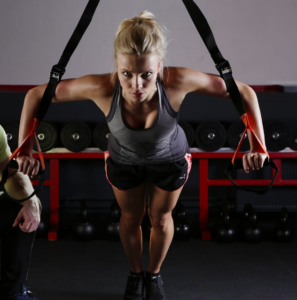
woman plankingSome people want to have faster effects without making much effort, which makes them look for a shortcut. This desire makes them try weight loss pills and fat burning products. They believe that these products are easy ways to get their best shape. Unfortunately, there are no shortcuts in life. And the result of pursuing alternatives leads them a result of the waste of both their time and money.


To get results, We need to realize that doing hard work can only make progress, and it takes a long time. We need to appreciate our workouts and develop it into a habit, making the journey is rewarding as we perform our work out. Consider that it could be a reward for getting in shape for a year to reach your fitness goal.

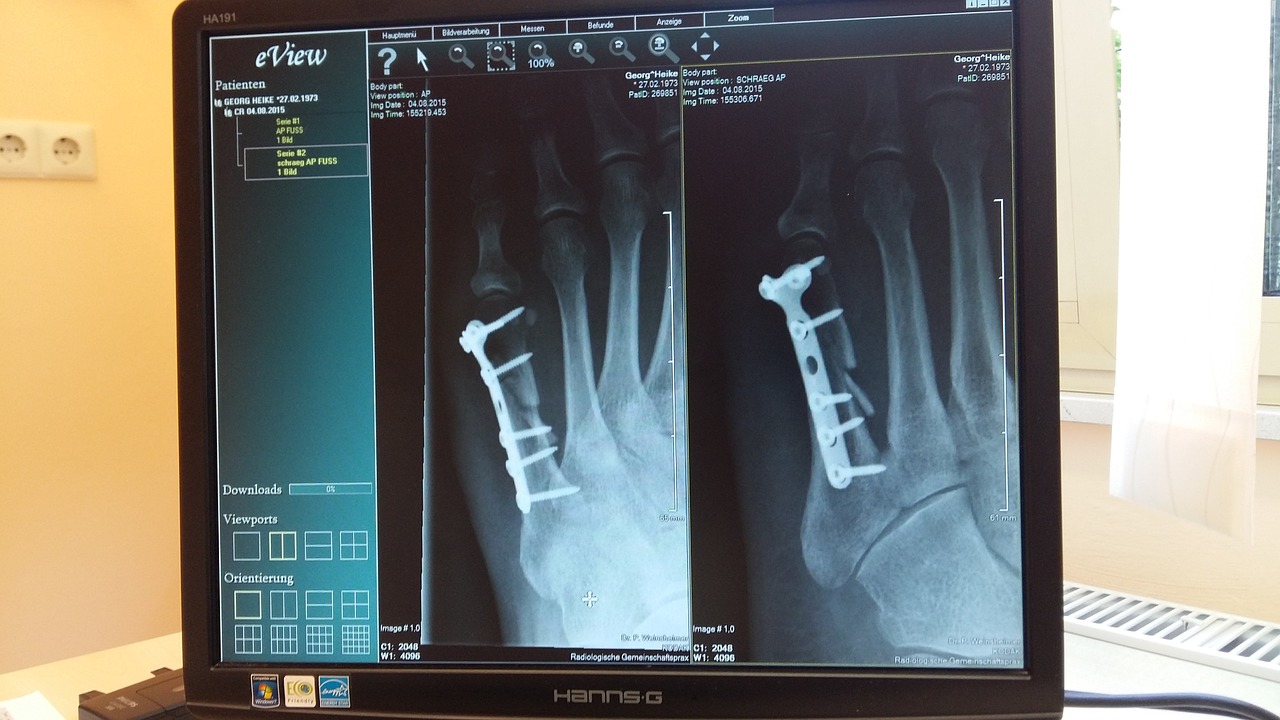
fracture

Ways to Prevent Injury During Exercise

It’s terrible, especially when you realize that the longer you stay “idle” at home, the more likely you are to gain weight. As a coach, I’ve dealt with injuries – and I’ve talked about some of them myself. And here are the simple tips on how to overcome injury in exercise training.

Get Enough Sleep and Rest

Sleep helps you consume fewer calories, increase productivity, avoid the risk of stroke, and help you overcome injuries. It is useful if you have a good sleep at night. It makes you more productive the next day.

couch

Don’t Do an Intense Workout

Over-training deprives your body of the opportunity to do so. According to studies, signs over-training are fatigue, increased blood pressure, sleep deprivation, and depression. So to overcome over-training, first of all, as a newbie, you shouldn’t overexert yourself. I see that many new clients are very enthusiastic about what they can accomplish in a short period, and I suppose they can handle a week’s training of five or even six days just like that.

Cross-training can be one of the ways athletes can prevent injuries and overcome over-training. It means standing between cardio and weight training. Instead of lifting weights for five weeks or more, do your fitness program to increase strength, crack to lift muscles that are important in addition to your muscle load, and then do lifting three times.

I like to swim, but when I’m not in the mood or when it’s cold, I do things like running and cycling. It makes things more exciting, and I encourage you to do the same.

Eat and Drink Healthy

It is necessary to increase the intake of muscle protein and restore the balance of glycogen. That’s why nutrition experts recommend the consumption of carbohydrates, especially if you are preparing for endurance and a protein per kilogram in your body after training.

Ask a Question Before Training

There are coaches and observers in the gym, so ask a specialist to help you create your goal plan and show you how to do it. Don’t be in a hurry to improve your fitness. You may be one step away from choosing a workout, pulling muscles upwards. These things make you think it will take longer.

Always Do Warm-Up Before Exercise

stretching

I’m a runner, so I do this every day. That’s why you need to stretch your muscles so that blood can flow through your body, loosen muscle fibers, and improve your range of movement, which means you become less vulnerable and more elastic.

Cool Down After Workout

If you have spent about 45 minutes, so why not spend another five minutes to cool down to prevent increases in your body temperature and heart rate to speed up the muscle repair process and to avoid acidosis. Cooling down will eliminate any dizziness and stiffness you may feel after a workout. It will make your body recover, and you will not feel tired.